


Look around any gym today, and you'll see athletes training in sleek, high-performance gear designed to optimize every movement. But the garments we rely on didn't always look or feel this way.
Discover the fascinating evolution of sportswear. We explore the history of the sweatsuit, tracing its journey from a crude, rubbery tool used by boxers for weight cutting to the modern, high-tech activewear that powers today's fitness enthusiasts.
The Early Days: The Need to Sweat
The story of the sweatsuit begins with a very specific, utilitarian need: the rapid manipulation of body weight in combat sports.
Making Weight in Boxing: The Original Purpose
In the early to mid-20th century, boxing history gear was strictly functional. Fighters needed a way to shed water weight quickly before a weigh-in. The solution was to create an environment that forced the body to sweat profusely.
This practical necessity gave birth to the earliest iterations of the "sauna suit."
The Era of Rubber and Plastic "Trash Bag" Suits
Before the advent of modern textiles, fighters resorted to extreme measures. The first sweat suits were often made from heavy canvas lined with rubber, or even literal plastic bags taped together.
While these early garments achieved their goal of trapping heat, they were notoriously uncomfortable, loud, and prone to tearing. More importantly, this primitive PVC sauna suit style offered zero breathability, making the process grueling and potentially dangerous.

The 1970s and 80s: The Rise of Vintage Activewear
As fitness moved out of the boxing gyms and into the mainstream, the design and purpose of athletic clothing began to shift dramatically.
Jogging Culture and the Cotton Tracksuit
The running boom of the 1970s popularized jogging as a recreational activity. This era saw the rise of the classic cotton and polyester blend tracksuit—a staple of vintage activewear.
These suits were softer, more comfortable, and designed to keep athletes warm during outdoor runs, rather than solely to induce extreme sweating.
The Shift from Pure Function to Casual Style
By the 1980s, the sweatsuit transcended the track and became a cultural phenomenon. It transitioned from pure functional gear to a symbol of casual, relaxed style, setting the stage for the modern athleisure movement.
However, for serious athletes still seeking the thermal benefits of the original sauna suits, the market remained divided between uncomfortable plastics and absorbent cottons.
The Modern Revolution: The Evolution of Sportswear Technology
The real breakthrough in the evolution of sportswear occurred when material science finally caught up with athletic ambition.
The Demand for Performance and Safety
Modern athletes demand more. They require gear that maximizes their training efficiency but also prioritizes safety, comfort, and durability. The old rubber suits were no longer acceptable.
Moving Beyond PVC: The Birth of Tech Fabrics
The industry realized that to create a better sauna suit, it needed to move beyond non-porous plastics like PVC.
The focus shifted to developing advanced tech fabrics. These new materials needed to be lightweight, tear-resistant, and capable of reflecting body heat efficiently while managing moisture to prevent the "suffocating" feeling of older models.

Hotsuit's Chapter in the Sweatsuit History
This technological turning point is where the Hotsuit story begins. Founded on a 904-day mission to perfect the sweat experience, we sought to redefine the category.
Honoring the Tradition of the Fighter's Sweat
We honor the origins of the sweatsuit. We understand the critical need for efficient weight cutting and intense thermal conditioning that originated in boxing gyms. Our goal was to preserve that intense sweat but completely overhaul the experience.
Redefining the Future with Silver-HeatREG®
Hotsuit represents the latest chapter in this history. We moved past outdated materials by developing our patented Silver-HeatREG® technology.
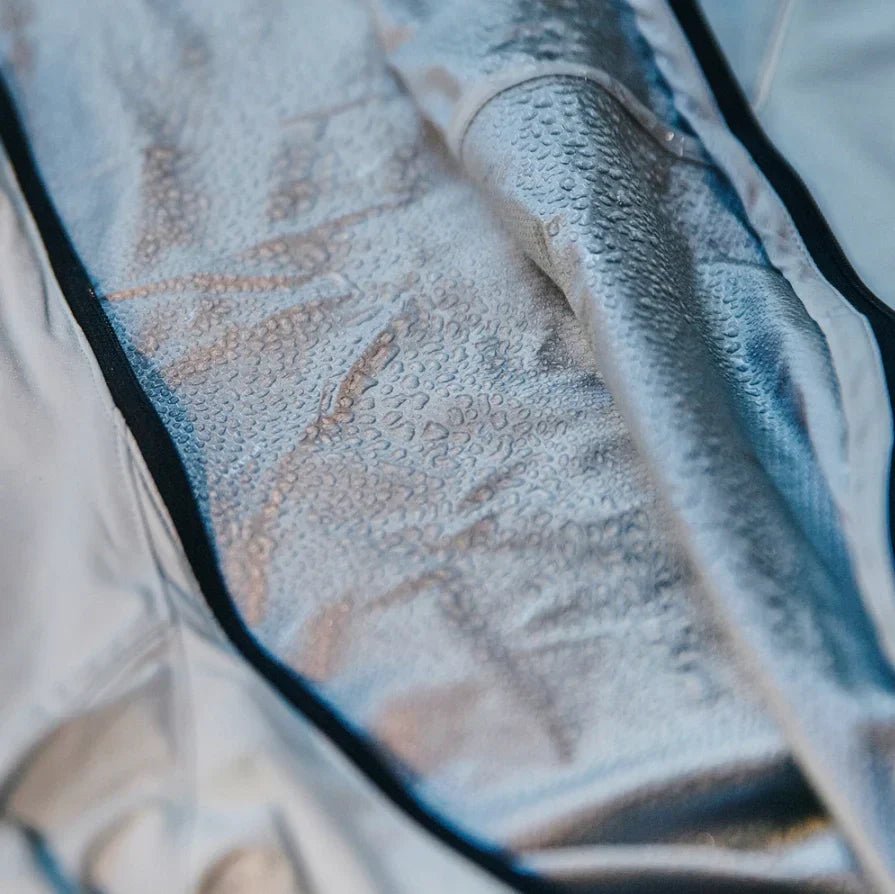
This innovative fabric uses a heat-reflective inner lining to rapidly elevate core temperature, yet it remains incredibly lightweight, quiet, and durable. It’s the ultimate fusion of the original sauna suit's purpose with cutting-edge textile science. Don't settle for the rubber suits of the past.Experience the apex of the sweatsuit evolution with Hotsuit's innovative collections.
Featured Product:
Wearing the Evolution
When you put on a modern, high-tech sauna suit, you are wearing decades of athletic history and scientific innovation. You are benefiting from the evolution that transformed a crude weight-loss tool into a sophisticated instrument for peak performance.
Step into the future of training gear.Shop the modern, tech-driven Hotsuit Sauna Suit today.
Common Questions About Sweatsuit History
Who officially invented the first sweatsuit?
French sportswear brand Le Coq Sportif is often credited with creating the first recognizable cotton "tracksuit" in the 1930s, originally designed for athletes to wear over their competition gear. However, the rubberized "sauna suit" evolved separately within the boxing community.
Why were old sauna suits made of rubber?
Rubber was one of the few materials available at the time that was completely impermeable to air and water, making it highly effective at trapping body heat to induce rapid sweating for weight cutting, despite its discomfort.
When did sweatsuits become popular as everyday clothing?
The transition began in the 1970s with the jogging craze and exploded in the 1980s and 90s, driven by hip-hop culture and the popularization of vintage activewear brands.
Are modern sauna suits safer than the vintage ones?
Yes, significantly. Modern tech fabric suits, like those from Hotsuit, are designed with features like moisture permeability (in our MAX series) and lightweight construction, which help regulate the thermal environment and reduce the risks associated with the heavy, non-breathable PVC sauna suit of the past.


Leave a comment
All comments are moderated before being published.
This site is protected by hCaptcha and the hCaptcha Privacy Policy and Terms of Service apply.