
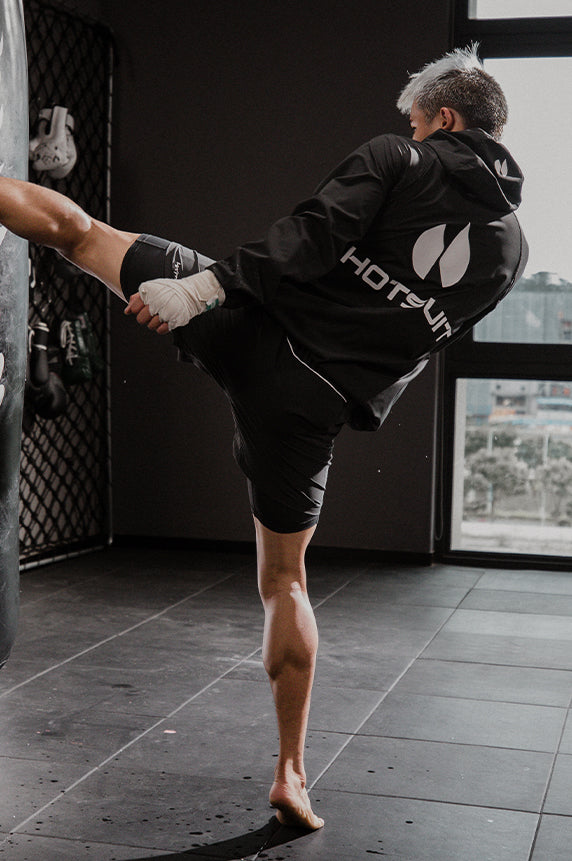
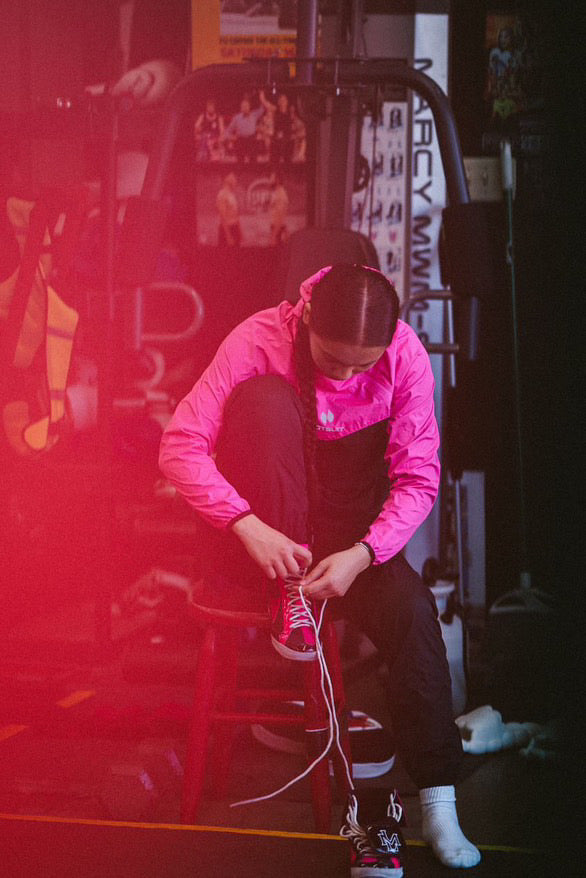

Ever wondered what do boxers do all day when preparing for a big fight? Behind every champion's highlight reel are countless hours of unseen work. The grueling is where fights are truly won and lost.
From sunrise roadwork to evening recovery, we break down the hour-by-hour pro boxer training schedule. This is a day in the life of a boxer.
5:00 AM - The Champion's Wake-Up Call: Roadwork
The day starts in darkness, long before the rest of the world awakes. The alarm rings at 5:00 AM. This early start isn't about punishment; it's about building ironclad discipline.
Why the Day Starts Before Dawn
Morning roadwork is a boxing tradition. This quiet time on the road builds the cardiovascular base necessary for late-round endurance. It also forges mental toughness, teaching a fighter to push through when no one is watching.
The Gear for the Grind: Hoodies and Sweatsuits
In the cool morning air, the right gear is essential. Many pros start their run in a comfortable hoodie or a high-performance sweatsuit.

This helps to raise the body temperature quickly, accelerating the warm-up process and ensuring the muscles are ready for the miles ahead. To make these sessions more effective, many pros rely on gear that helps them warm up faster. .
8:00 AM - Fueling the Engine: The First Meal
After the run and a quick shower, it's time for the first and most important meal of the day. For a fighter, food is fuel, and this meal is crucial for replenishing energy stores.
A Breakfast Built for Performance
A typical breakfast is built for performance. It consists of slow-release carbohydrates like oatmeal, lean protein from eggs, and healthy fats from avocado. This balanced nutrition provides sustained energy for the intense training sessions to come.
11:00 AM - The Main Event: The Boxing Session
This is the heart of the pro boxer training day. The gym is buzzing with energy. This session is all about honing the craft.
Warm-Up, Shadowboxing, and Mitt Work
The session begins with a dynamic warm-up, followed by several rounds of shadowboxing to prime the nervous system.
Then comes the intense, technical work with a coach on the focus mitts. This is where strategy is drilled, combinations are perfected, and reflexes are sharpened.

The Importance of Sparring and Strategy
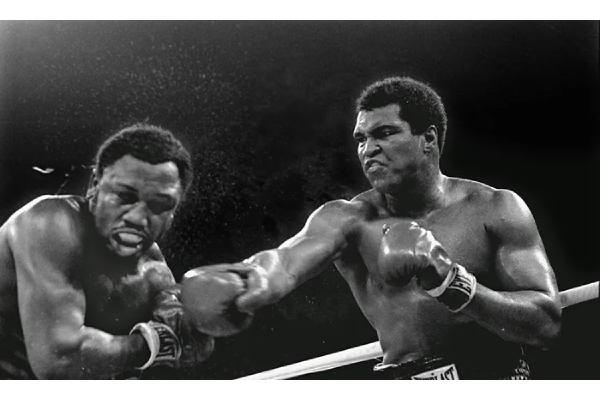
Several times a week, this session will include sparring. This is the closest thing to a real fight, where strategy, timing, and composure are tested under pressure. It's an essential part of any boxing camp routine.
2:00 PM - Building the Body: Strength and Conditioning
After a short break and a second meal, it's back to work. The afternoon session is dedicated to building the physical engine: strength and conditioning.
Lifting for Power, Not for Size
The goal of a boxer's strength program is explosive power, not bulky muscle. The focus is on compound movements like squats, deadlifts, and overhead presses.
Drills for Endurance and Explosiveness
This session is also filled with high-intensity drills. Think medicine ball slams, battle ropes, and sled pushes. These exercises build the anaerobic endurance needed for explosive bursts of action in the ring.

5:00 PM onwards - The Science of Recovery
The work doesn't stop when the training ends. For a professional, the science of recovery is just as critical as the training itself. This is what allows them to do it all again the next day.
Post-Workout Nutrition and Rehydration
Immediately after the final session, a recovery shake with protein and carbohydrates is consumed. The evening meal is designed to continue replenishing energy and repairing muscle tissue.
Active Recovery: Stretching, Foam Rolling, and Ice Baths
The evening is dedicated to active recovery methods. This includes deep stretching, using a foam roller to release muscle tension, and often, enduring an ice bath to reduce inflammation.
Mental Wind-Down and Sleep
The final part of the fighter lifestyle is mental rest. This might involve reviewing training footage, reading, or meditation. Getting 8-10 hours of quality sleep is non-negotiable, as this is when the body truly rebuilds.
It's Not One Day, It's Every Day
This demanding schedule isn't for one day; it's for 8-12 weeks straight. The path to becoming a champion is paved with this relentless, day-in, day-out dedication. It's a testament to the power of habit and an unbreakable will.
Ready to bring a professional level of dedication to your own training? .
Common Questions About a Pro Boxer's Lifestyle
Do boxers really wake up at 5 AM? Yes, many do. The early morning roadwork is a long-standing tradition in boxing that builds both physical endurance and mental discipline.
How much do pro boxers eat in a day? It varies greatly depending on their weight class and training phase. During a heavy boxing camp, a heavyweight boxer might consume over 5,000 calories, while a lightweight fighter might be on a carefully restricted plan. The focus is always on high-quality, nutrient-dense foods.
Do they have any rest days during a training camp? Yes, rest and recovery are vital. Most professional fighters will have at least one active recovery day per week. This might involve light activities like swimming or stretching, rather than complete inactivity.
What does a boxer's life look like outside of a training camp? Outside of a camp, the fighter lifestyle is still disciplined but less intense. They maintain a baseline level of fitness and a healthy diet, allowing their bodies to recover and prepare for the next grueling camp.


Leave a comment
All comments are moderated before being published.
This site is protected by hCaptcha and the hCaptcha Privacy Policy and Terms of Service apply.